NDx
PRECISION NEUROLOGY

AI-enabled multi-omic
blood tests for neurodegeneration

We turn a routine blood draw into a dynamic molecular readout
of neurodegenerative disease biology. So drug developers enroll
the right patients and learn sooner whether a therapy works.

SEPT 2026
The Problem

The Measurement Gap in Neurodegenerative Diseases

— hampers drug development, clinical monitoring, and ultimately patient care.

The scope
57M
living with dementia · ~10M new cases/yearWHO
1,023
ongoing ND drug trials · 678 in Phase 2/3CT.gov
$1.3T
annual global cost of dementiaWHO
How we measure today
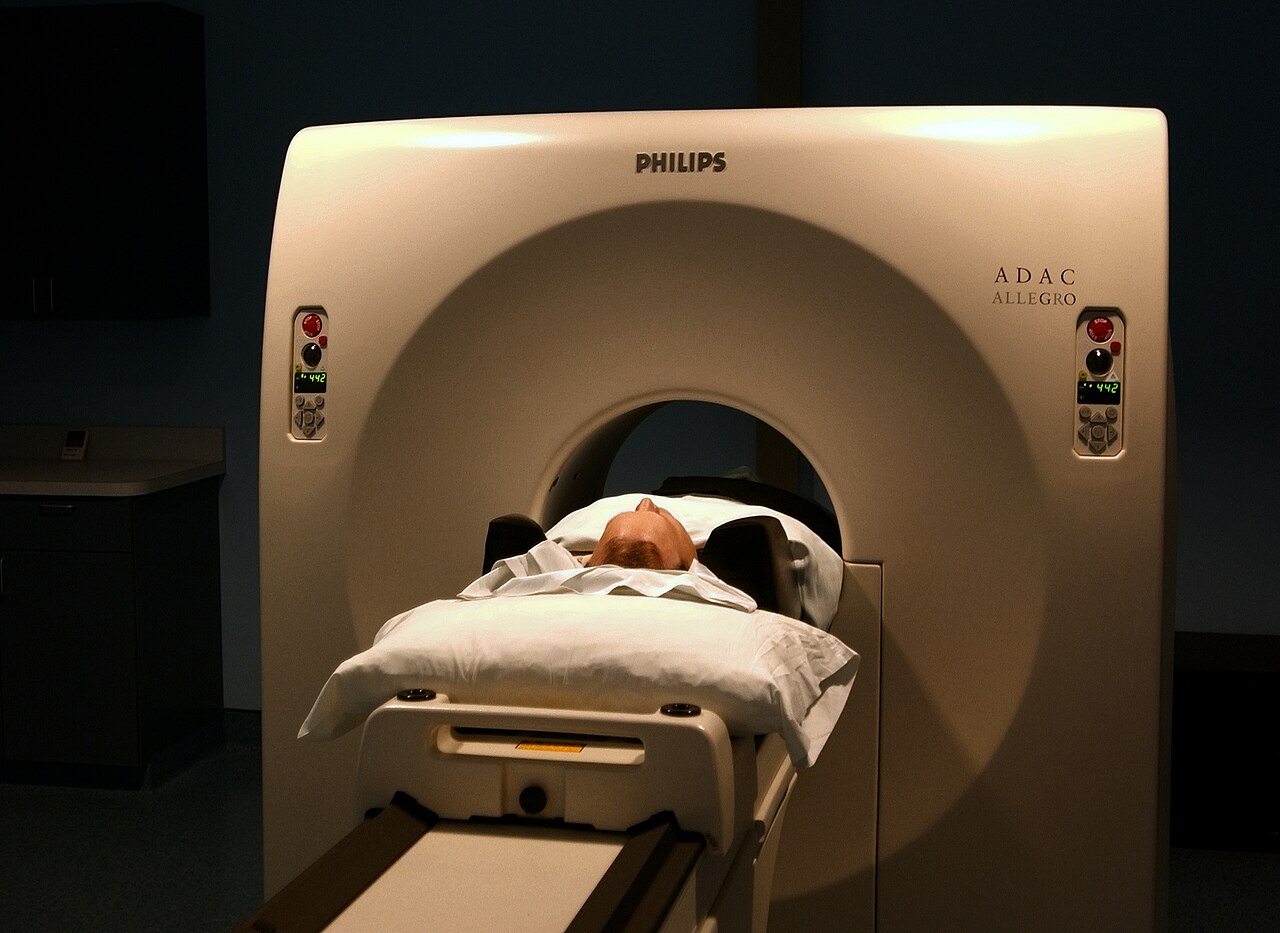
A patient entering a PET scanner
Amyloid PET
~$5,000 / scan
Too expensive and scanner-boundUSC
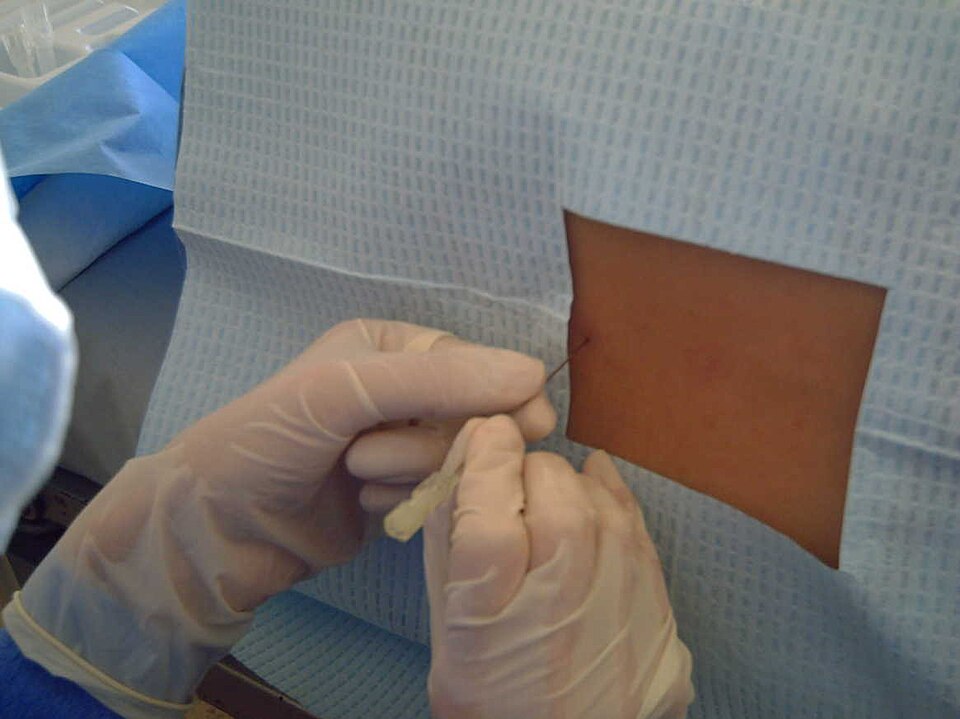
A lumbar puncture performed through a sterile drape
CSF / lumbar puncture
75% → 64%
Invasive — drops enrollment willingnessPMC
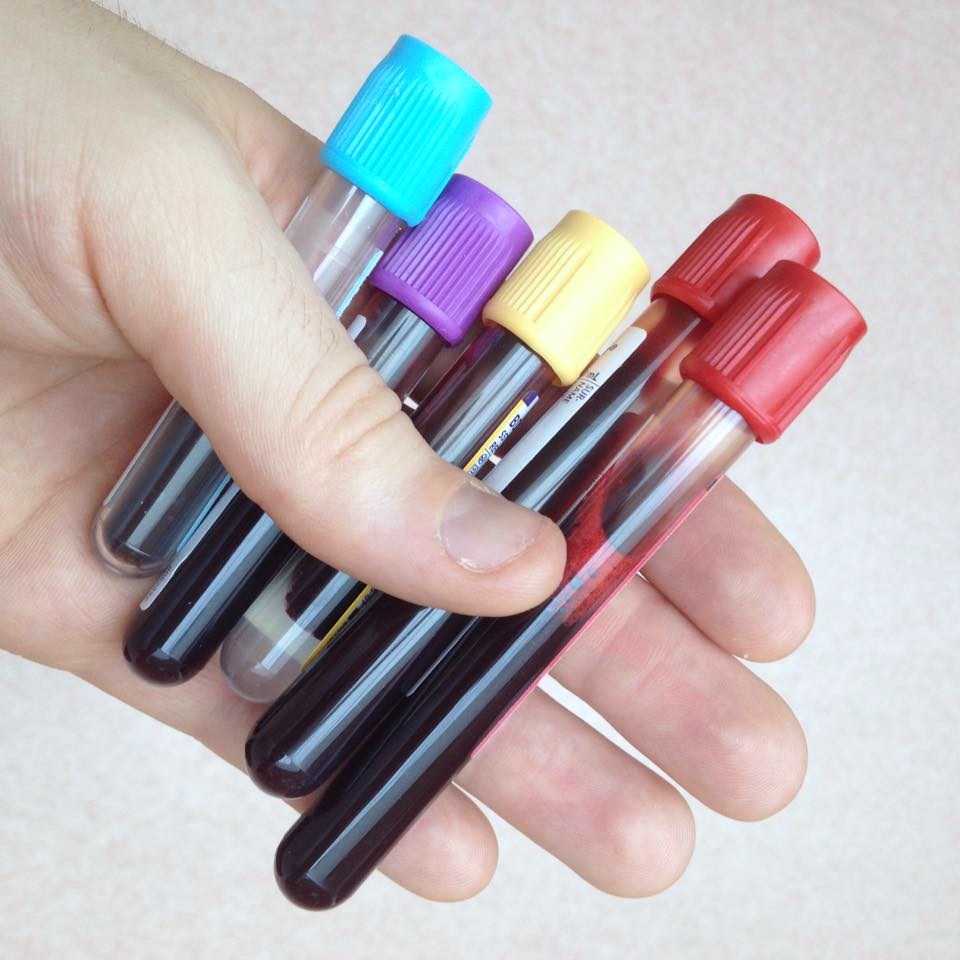
A hand holding several blood collection tubes
Plasma pTau217
1 analyte
Highly effective for AD pathology — but disease-specificFDA
Who pays for it
Clinicians
3 in 4 dementia cases go undiagnosed — and no objective way to monitorADI
Patients
Months of waiting before a symptom scale can register whether anything has changed
Drug developers
>70% screen-fail, then 12–18 mo to a clinical-scale readoutAlz&Dem
One root cause across every disease: no scalable, longitudinal readout of brain biology.
Images via Wikimedia Commons — PET: U.S. Navy, public domain · LP: Dragondefuego1976, CC BY-SA 4.0 · Tubes: Tannim101, CC BY 3.0
The solution

One blood draw, one AI engine,
two actionable readouts for drug development

Plasma sample

Simple blood draw

Multi-omic data

Captures diverse cellular, epigenetic and immune signals

Multimodal AI integration

Adds intelligence and efficiency — fusing orthogonal signals into one interpretable signature

Biomarker signature

A richer disease signal than any single marker alone

Pre-screening score

Identifies likely trial-eligible patients

Longitudinal monitoring score

Tracks disease biology and therapeutic response over time

Universally accessible
Proprietary data
Agentic workflow
Biomarker Matrix
In-house model

We measure molecular signals associated with neuronal injury and death rather than relying on a single disease-specific pathology.

The same engine is designed to extend across Alzheimer's, Parkinson's, ALS and other neurodegenerative diseases.

An agentic pipeline runs the discovery cycle end to end.

Our current state

Initial human signals demonstrated
across two orthogonal biomarker platforms

50
patients
completed 2-year pilot
3
diseases analysed
AD · PD · CBS
2
orthogonal
assay platforms
cfDNA methylation and autoantibody pilot datasets
Human plasma data across neurodegenerative disease cohorts
Core multi-omic workflows established
AI-assisted biomarker discovery pipeline established
Stanford biobank collaborations in place
Stanford OTL invention disclosure filed
Signal extraction is demonstrated in human plasma in three diseases. Next: paired, larger-scale and longitudinal validation across AD, PD and ALS.
Illustrative pharma use case

A screening, monitoring platform for pharma

1 · Pre-screening
Who should enter the trial?

Accessible, rapid, affordable blood test to screen patients for clinical trials.

1,000
candidates
NDx blood screen
all 1,000 candidates
~300
to PET

PET only confirms the shortlist.

PET · today ~$5,000/scan
NDx · modeled ~$950/sample
PET spend drops from 1,000 scans to ~300
Target turnaround: ~2 weeks
2 · Longitudinal monitoring
Is the drug working?

Objective, blood-based molecular monitoring of treatment effect.

Today · PET + CSF ~18 mo
NDx · target 6–12 wks
~15 mo
modeled earlier trial decision
~60%
modeled reduction in test costs
Goal: earlier molecular treatment-effect signal, for faster go / no-go
Illustrative scenario: per-sample pricing, turnaround and savings are NDx models on stated assumptions, not measured product performance.
Market

A big, open market with high growth

TAM $12.8B SAM $5.05B SOM $1.65B per year · circle areas to scale · SOM ≈ 30% of SAM at maturity
TAM · $12.8B / yr
All brain-disease diagnosis and monitoring
SAM · $5.05B / yr
Neurodegenerative disease specifically — AD, PD, ALS and related
SOM · $1.65B / yr
Our goal as the category leader — ~30% of SAM at maturity
The category just opened — FDA cleared the first Alzheimer's blood test in May 2025; Labcorp launched it nationwide that August.FDAFMI
And it compounds — blood-based AD biomarkers go $169M (2025) → $530M (2033), a 3.1× move.FMI
Capital is following — Gates is funding blood-based Alzheimer's diagnostics and calling for routine screening from age 60.Gates Notes

TAM is the global annual brain-disease diagnosis and monitoring market; SAM is the neurodegenerative-disease segment; the ~30% mature share is an NDx assumption · growth FMI · clearance FDA, May 2025 · demand signal Fortune, STAT.

The business model

Integrated Precision Medicine
Business Flywheel

1 2 3 4 Accelerated Growth Flywheel Every sample sharpens the next readout 1 · PHARMA SERVICES Accelerate trial enrollment Upfront + per-sample fees 2 · PROPRIETARY DATA In-house multi-omic pipeline Data licensing + insights 3 · CDx PARTNERSHIPS Co-develop targeted assays Clinical + regulatory milestones 4 · CLINICAL TESTING FDA-cleared rollout to neurologists Recurring reimbursement
1
Pharma servicesAccelerate trial enrollment · upfront + per-sample fees
2
Proprietary dataIn-house multi-omic pipeline · data licensing + insights
3
CDx partnershipsCo-develop targeted assays · clinical + regulatory milestones
4
Clinical testingFDA-cleared rollout to neurologists · recurring reimbursement

Accelerated Growth FlywheelEvery sample sharpens the next readout.

Revenue funds data · data improves the model · a better model wins the next contract.
Team

Built to take biomarkers from
discovery to clinics

Wet lab, computational biology and ML product — with the clinical access to run the study.

Ze Yang
CEO
Ze Yang
Multi-omics & wet lab
Scientist, Stanford University
PhD, Stanford University

Daniel Zheng
CTO
Daniel Zheng
AI & Product
Siri AI Engineer, Apple
Ex-CTO, Utopia Studios
Siyu He
CSO
Siyu He
AI & computational biology
Postdoc, Stanford University
PhD, Columbia University
Kathleen Poston
Advisor
Kathleen Poston
Clinics & biomarkers
Professor of Neurology
Stanford Medicine
NDx
PRECISION NEUROLOGY

Building accessible AI for brain health.

yangze@stanford.edu
SEPT 2026
01 / 9
←→ navigate · O overview · F fullscreen

NDx Pre-Pitch · Overview